
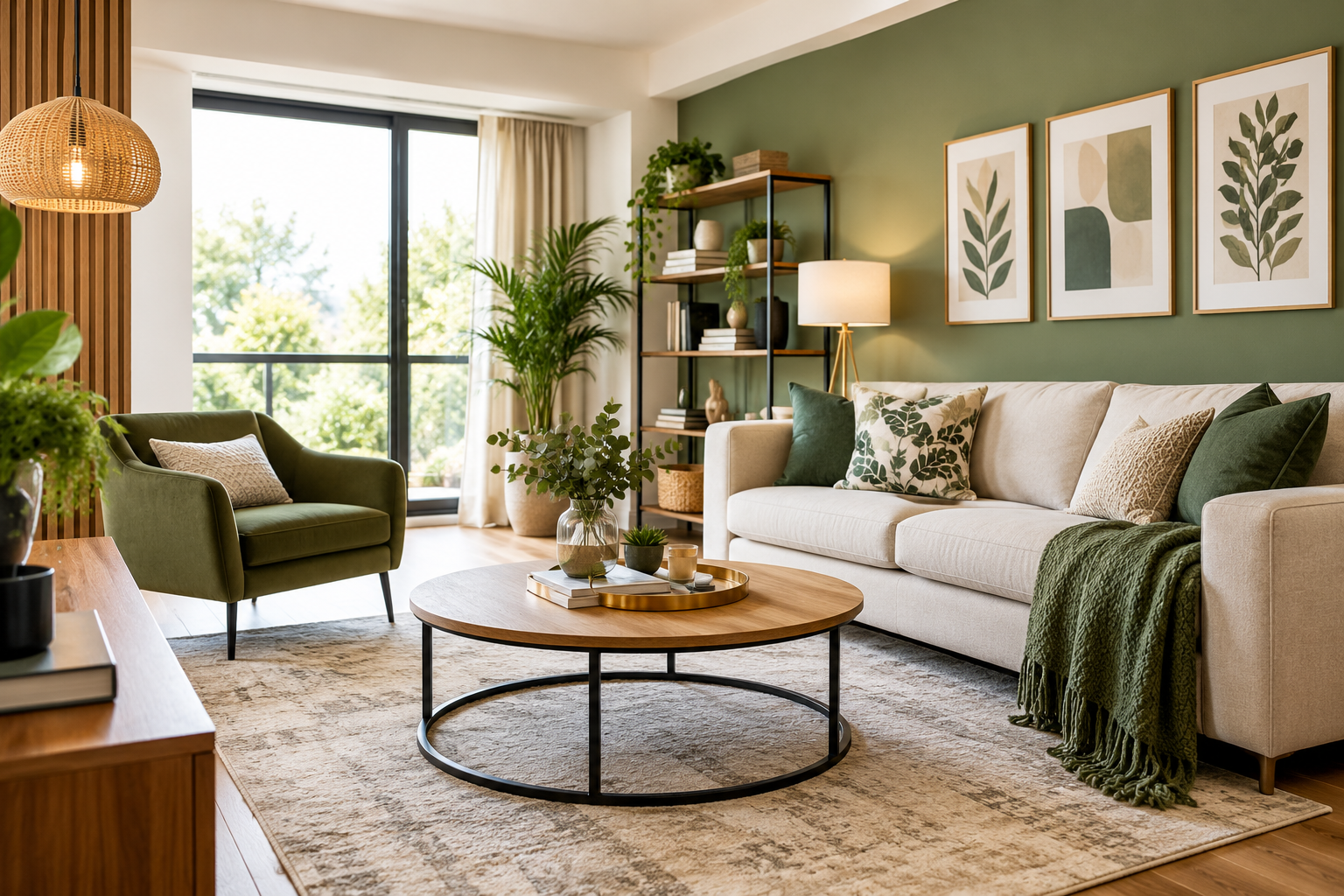
Walk into a room that feels exactly right and you rarely notice why. The light sits softly on the wall, the sofa faces the window, and nothing competes for your attention. That quiet success is the work of interior design, and it is the reason so many people find the craft fascinating.
People who type “why interior design is interesting mintpaldecor” into a search bar are usually after more than a definition. They want to know what makes this field creative, practical and personal all at once. Interior design is part art, part science and part detective work, and it touches everyone, because everyone lives somewhere. This article explores what makes it so engaging, from the psychology of a layout to the endless choices hiding in a single corner.
It Starts With People, Not Products
Every strong interior begins with a question rather than a purchase: how does this person actually live? A family that cooks together needs a kitchen with room to circulate. A remote worker needs a corner that feels separate from the sofa. A retired couple may want fewer steps, softer lighting and furniture that is easy to rise from. Good design listens first and decorates second.
This human focus is one of the most compelling parts of the field. No two briefs are alike because no two households are alike. Habits, budgets, family sizes, cultural traditions and personal tastes all shape the outcome, so a designer is part interviewer, part observer. You learn to notice which chair never gets used, where the shoes pile up, and which wall always seems to attract the eye.
Designers also think about how a space changes across a single day: morning light in a breakfast nook, a lamp-lit reading corner at night, a hallway that must cope with school bags at 8 a.m. Planning for these moments is what separates a pretty room from a useful one. The result feels personal rather than copied from a catalogue, and finding the fingerprints of the people who live there is a genuinely rewarding puzzle.
Where Creativity Meets Problem-Solving
Many people assume interior design is purely about taste, but much of the work is practical problem-solving wearing a creative disguise. A narrow living room has to feel wider. A dark flat needs to feel brighter. A small bedroom must hold a bed, storage and a desk without feeling cramped. Each constraint becomes a prompt for invention.
Consider the tools available. A large mirror opposite a window doubles daylight. Furniture raised on slim legs shows more floor and makes a room feel larger. Built-in shelving turns an awkward alcove into storage. Multi-purpose pieces, such as an ottoman that opens up or a drop-leaf table, let one room do the work of two.
When people search for why interior design is interesting mintpaldecor and similar phrases, they are usually curious about exactly this blend of imagination and logic. The challenge is never only to make a space beautiful, but to make it work harder and feel calmer at the same time.
Measurements, sightlines, traffic paths and proportions all matter. A sofa that looks perfect in a showroom can swallow a small room, so planning on paper before buying anything saves money and frustration. Designers enjoy this stage because it rewards patience: you can test ten arrangements in an hour without lifting a single cushion.
Colour, Texture and Light: The Sensory Side
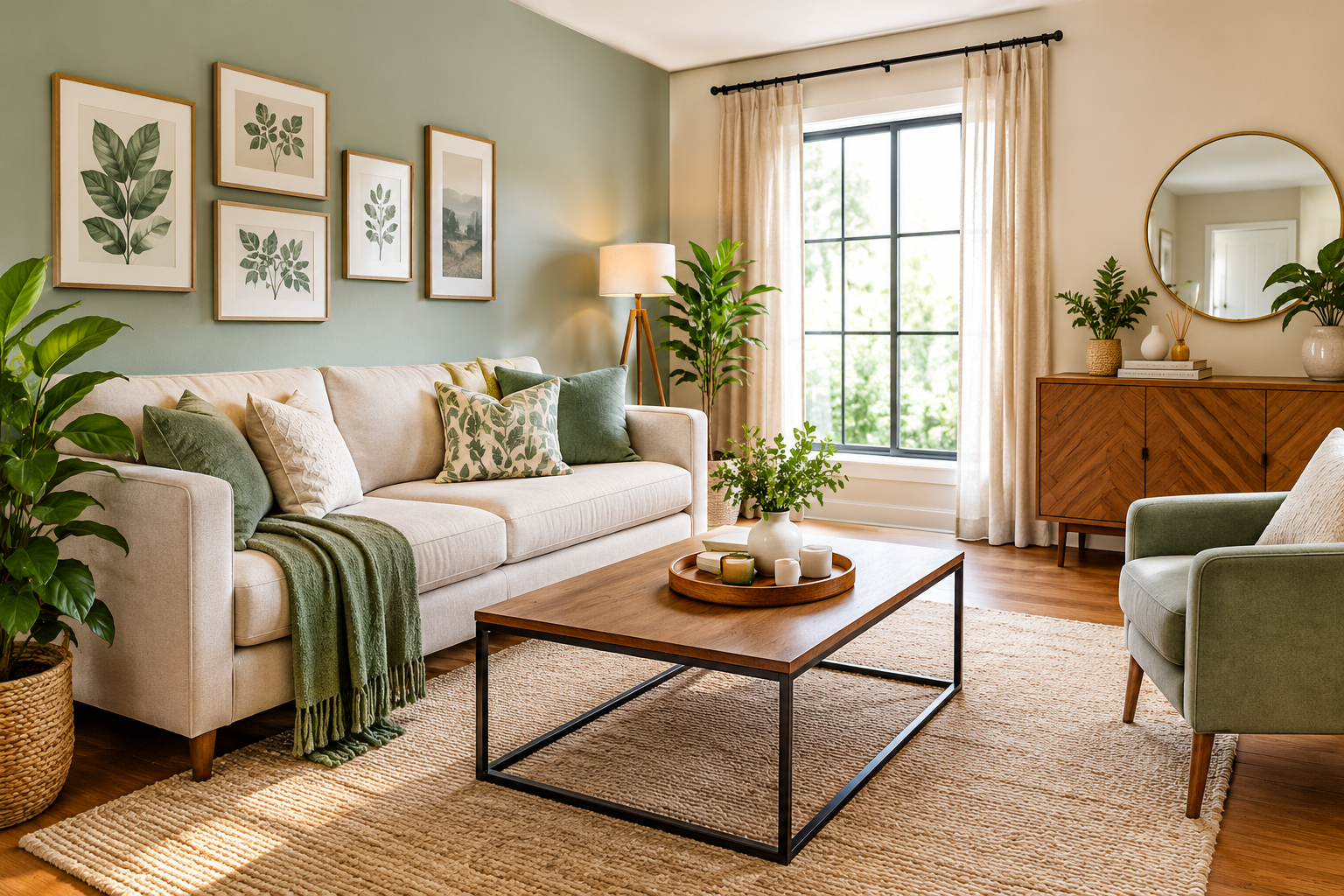
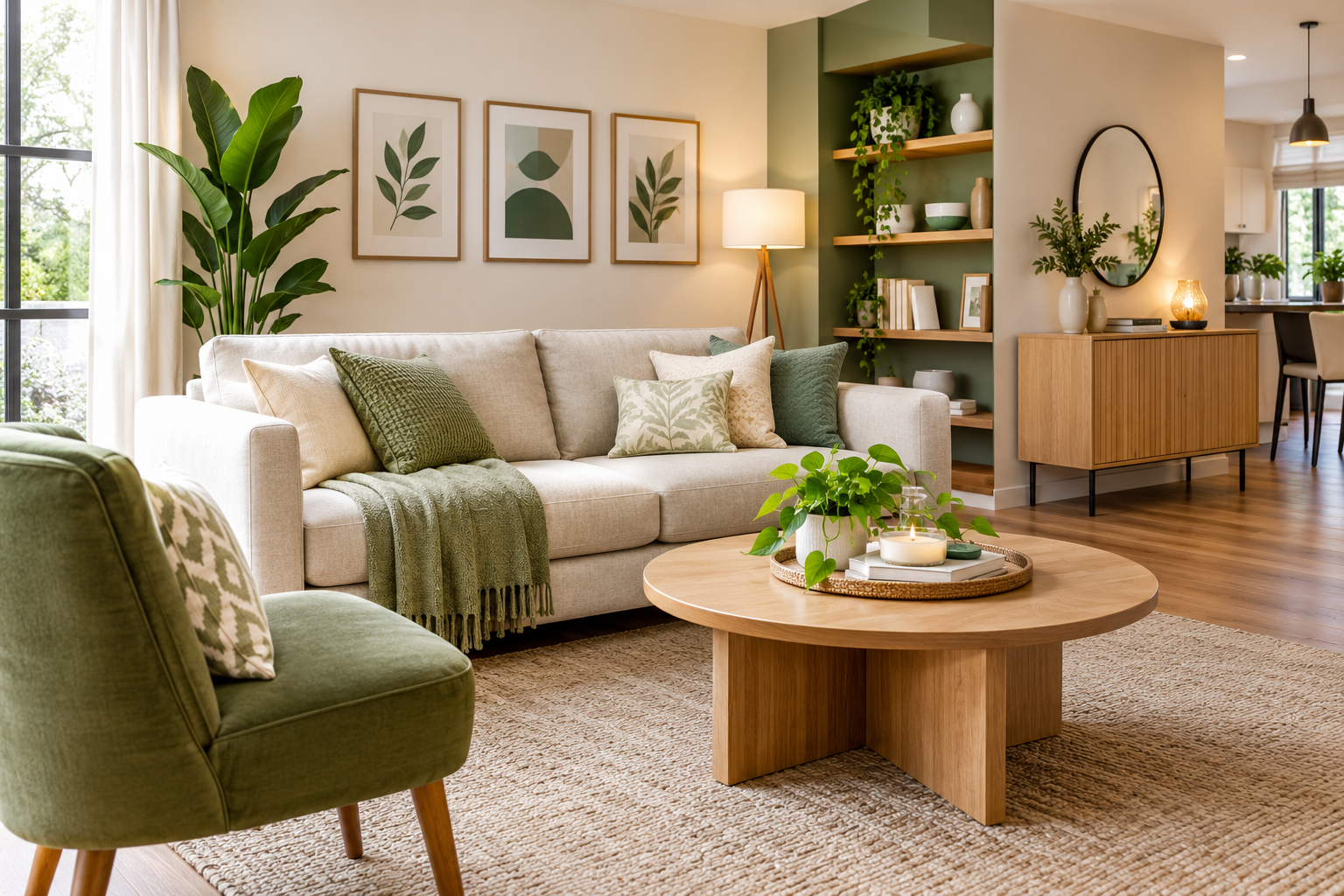
Few professions engage the senses as fully as interior design. Colour sets mood before a word is spoken. Soft greens and muted blues tend to feel restful, warm terracottas and ochres feel welcoming, and deep charcoals create drama in a room that gets plenty of daylight. Choosing a palette is less about following a trend and more about deciding how a room should feel at its best.
Texture adds the layer that photographs often miss. Linen curtains, a chunky wool throw, a rattan chair, a matte ceramic lamp base and a polished wooden table each speak differently to the hand and the eye. Mixing them creates depth, so a room feels collected rather than flat.
Light is the quiet hero. Natural light changes through the day and across seasons, so a paint shade that looks fresh at noon may look grey at dusk. Designers layer ambient, task and accent lighting so a room can shift from bright and practical to soft and relaxed with a single switch. Even sound plays a part: rugs, curtains and upholstered pieces soften echo and make a home feel calmer. Learning to see light this way changes how you look at every room you enter, which is a surprisingly fun side effect of the craft.
A Field That Never Stands Still
Interior design evolves constantly. Trends swing between minimalism and maximalism, between cool modern lines and warm, handcrafted looks. Sustainability has become a major theme, with designers favouring reclaimed wood, natural fibres, low-VOC paints and furniture built to last rather than to be replaced in two years. Flexible homes that support working, relaxing and entertaining in the same footprint have also reshaped what people ask for.
Technology adds another layer. Smart lighting, concealed charging points and acoustic panels now blend into rooms without announcing themselves. Digital tools let clients preview layouts and colour schemes before committing, which reduces costly mistakes.
Yet the most interesting part is how old ideas keep returning in new forms. A mid-century sideboard sits comfortably beside a contemporary art print; a traditional rug anchors a modern sofa. That living conversation between eras is one more answer to the search phrase why interior design is interesting mintpaldecor: nothing is ever truly out of date if it is used with intent, and there is always something new to learn.
The Mintpaldecor Approach
At Mintpaldecor, décor is treated as a considered process rather than a shopping trip. Readers who search for why interior design is interesting mintpaldecor will find that the answer is practical as well as inspiring, because a clear process turns a vague wish (“I want a nicer living room”) into a finished space.
- Define the purpose. Decide what the room must do, who uses it and when.
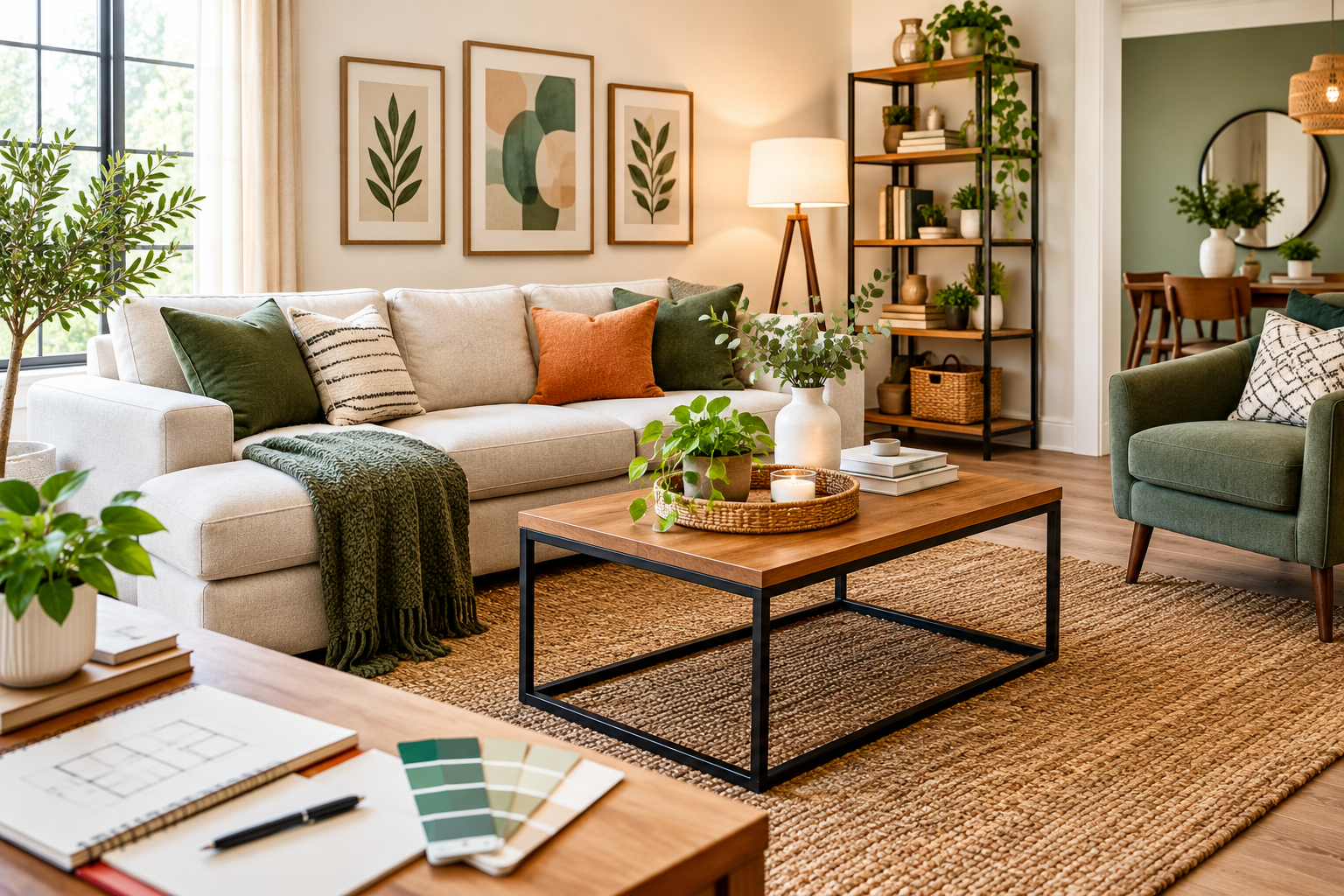
- Build the palette. Pick two or three main colours and one accent, then test them in your own light.
- Choose anchor pieces. Start with the sofa, bed or dining table, since everything else is arranged around them.
- Layer textiles and lighting. Rugs, curtains, cushions and lamps add warmth and depth.
- Finish with personal touches. Artwork, books and keepsakes make the room unmistakably yours.
This order matters. Starting with accessories before the layout is settled is the most common reason rooms feel busy but unfinished. Working from the large decisions down to the small ones keeps the design coherent and the budget under control, and it leaves room for the small, personal details that people remember most.
Conclusion: Spaces That Tell Stories
In short, the question behind why interior design is interesting mintpaldecor has a simple answer: design shapes daily life. It decides where you drink your morning coffee, how a hallway feels when you come home tired, and whether a guest relaxes the moment they walk in.
The field rewards curiosity. It asks you to understand people, solve spatial puzzles, respond to light and colour, and keep learning as trends and materials change. Few creative pursuits produce results you can live inside and use every day.
Whether you are planning a full renovation or simply rearranging a bookshelf, the same principles apply: start with how you live, work from the big decisions to the small ones, and let each choice add something real to the room. Do that, and your home stops being a collection of objects and becomes a story worth coming back to.






Leave a Reply