
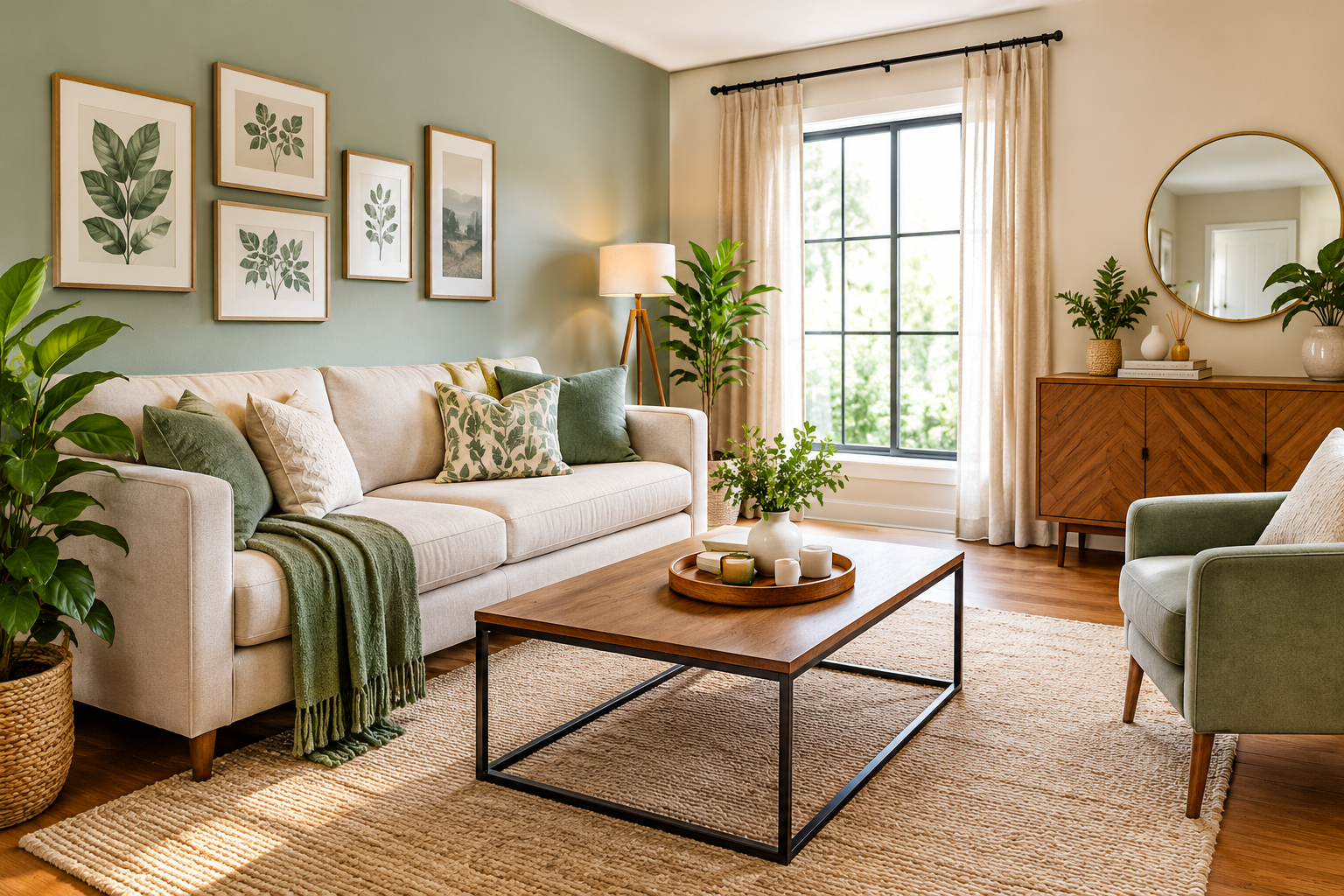
A well-decorated home doesn’t need a huge budget or a professional designer. It needs a clear plan, a few reliable principles, and the patience to build a space one layer at a time. This guide covers the essentials, from planning and color to lighting, furniture and finishing touches, so you can decorate with confidence.
Why Good Interior Decoration Matters
Your home affects your mood, your productivity and how well you rest. A cluttered, poorly lit room can leave you drained, while a balanced, thoughtfully arranged space helps you relax and feel at ease. Good decoration is not about following trends. It is about making a space that works for the way you live.
If you have been searching for interior decoration advice mintpaldecor, the principles below are a solid foundation, whether you are furnishing a first apartment or refreshing a family home.
Step 1: Define Your Style Before You Shop
The most common decorating mistake is buying things before deciding what you want. Start by collecting inspiration from magazines, websites and photos of rooms you admire. Look for patterns. Do you keep choosing light, airy spaces or warm, cozy ones? Clean lines or layered textures?
Common styles to consider:
- Modern: simple shapes, neutral colors, minimal clutter.
- Scandinavian: light woods, soft whites, functional furniture.
- Traditional: classic silhouettes, rich colors, symmetry.
- Bohemian: mixed patterns, plants, handmade pieces.
- Industrial: raw materials, metal accents, darker tones.
You don’t have to follow one style strictly. Most beautiful homes blend two or three. What matters is that the result feels consistent, with a shared color story and a similar level of formality throughout.
Step 2: Choose a Color Palette That Works
Color shapes the personality of a room more than any other element. A simple formula many designers use is the 60-30-10 rule:
- 60% a dominant color, usually on walls and large surfaces.
- 30% a secondary color, in furniture, curtains or rugs.
- 10% an accent color, in cushions, art and small objects.
Lighter shades make small rooms feel larger and brighter. Deeper tones add drama and warmth to spaces with plenty of natural light. If you are unsure, start with a neutral base such as warm white, soft gray or beige, then add personality through accessories that are easy to change later.
Always test paint samples on your wall and look at them in the morning, afternoon and evening. Natural and artificial light can change a color dramatically.
Step 3: Plan the Layout Carefully
Even beautiful furniture looks wrong if it is poorly placed. Before moving anything, measure the room and sketch a rough floor plan. A few layout rules help:
- Create a focal point. This might be a fireplace, a large window, a statement artwork or the television. Arrange seating to support it.
- Leave room to move. Aim for about 75 to 90 cm (30 to 36 inches) of walking space through main pathways.
- Pull furniture away from the walls. Even a small gap can make a room feel more intentional and spacious.
- Group furniture by activity. In a living room, a conversation area should have seats close enough for easy talking.
Scale also matters. Oversized furniture overwhelms a small room, while tiny pieces get lost in a large one. When in doubt, cut out paper templates the size of your furniture and place them on the floor before you buy.
Step 4: Layer Your Lighting
Lighting is the most overlooked part of decoration. Relying on a single ceiling fixture creates a flat, harsh look. Instead, combine three types of light:
- Ambient lighting: the general illumination, from ceiling fixtures or recessed lights.
- Task lighting: focused light for reading, cooking or working, such as desk lamps and under-cabinet lights.
- Accent lighting: soft light that highlights art, shelves or architectural features.
Use warm white bulbs (around 2700K to 3000K) in living areas and bedrooms for a welcoming glow, and slightly cooler light in kitchens and workspaces. Dimmer switches are an inexpensive upgrade that lets one room serve several moods.
Step 5: Add Texture and Depth
A room with the right colors can still feel flat if every surface is smooth and uniform. Texture adds richness and comfort. Mix materials such as wood, linen, wool, metal, glass and ceramic. A chunky knit throw on a smooth leather sofa, or a woven basket beside a sleek console table, creates contrast that keeps the eye interested.
Rugs are especially powerful. They anchor furniture, define zones in open-plan spaces and add warmth underfoot. Choose a rug large enough that at least the front legs of your sofa and chairs rest on it.
Step 6: Style Walls and Surfaces With Purpose
Empty walls can feel cold, but crowded walls feel chaotic. Aim for balance:
- Hang art at eye level, with the center about 145 cm (57 inches) from the floor.
- Group smaller frames together as a gallery, keeping consistent spacing.
- Use mirrors to reflect light and make a room feel larger.
- On shelves and tables, group objects in odd numbers and vary their heights.
Resist the urge to fill every surface. Empty space gives the eye a place to rest and makes the things you display stand out.
Step 7: Bring in Nature
Plants add color, freshness and life to any room. Low-maintenance options such as snake plants, pothos and ZZ plants tolerate a wide range of conditions. If you don’t have a green thumb, dried stems, wooden objects, stone accents and botanical prints bring a similar natural feel.
Step 8: Decorate on a Budget
A beautiful home is built gradually. If money is limited, follow this order of priority:
- Paint, since it has the biggest visual impact for the lowest cost.
- Lighting, which transforms the atmosphere immediately.
- Key furniture such as the sofa and bed, where quality matters most.
- Accessories like cushions, throws and art, which can be added over time.
Secondhand shops, local markets and online marketplaces are excellent sources for solid wood furniture and unique decor. A coat of paint or new handles can give an old piece a fresh life.
Common Decorating Mistakes to Avoid
- Buying everything at once. Rooms that look instantly matched often feel impersonal.
- Ignoring storage. Clutter ruins even the best design. Build in baskets, closed cabinets and shelving.
- Hanging art too high. It disconnects the artwork from the furniture below.
- Choosing trends over comfort. If you can’t relax in a room, it isn’t finished.
- Forgetting personality. Add family photos, travel souvenirs and meaningful objects so the home reflects you.
Room-by-Room Quick Tips
Living room: Keep the seating arrangement social and add a coffee table at a comfortable reach. Layer lamps at different heights.
Bedroom: Prioritize calm. Soft colors, quality bedding and blackout curtains support better sleep. Keep the nightstands functional but uncluttered.
Kitchen: Focus on lighting and organization. A few well-chosen accessories, such as a bowl of fruit or a simple vase, add warmth without getting in the way.
Bathroom: Use matching towels, a small plant and a tidy tray for essentials to create a spa-like feel.
Home office: Position the desk near natural light, invest in an ergonomic chair and keep cables hidden.
Final Thoughts
Decorating is a process, not a single project. Begin with your style and your needs, build a consistent palette, light the space well, and add layers of texture and personal touches over time. Follow these steps patiently, and your home will look cohesive and feel comfortable.
Whether you are redoing one room or an entire house, keep this interior decoration advice mintpaldecor guide handy as a checklist. Return to it whenever you feel stuck, and remember that the best interior decoration advice mintpaldecor readers can follow is simple: design for the way you live, and let your home grow with you.
READ ALSO: https://endeavourarticle.com






Leave a Reply