
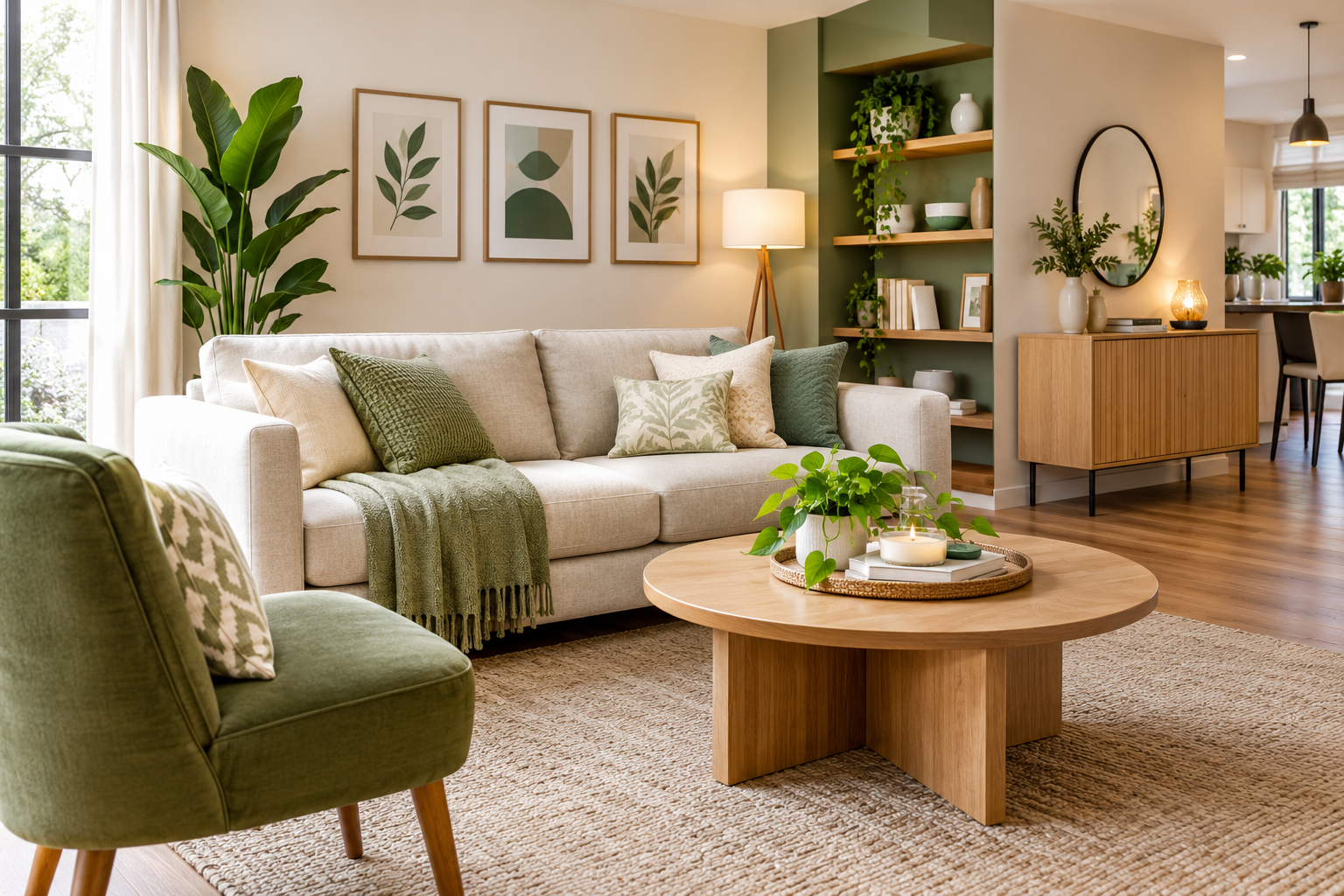
A well-decorated home does not need a huge budget or a professional designer. It needs a clear plan, a consistent style, and a few smart choices that make each room work better. This guide covers the essentials, from planning and color to lighting, furniture, textiles, and finishing touches. Whether you are furnishing your first apartment or refreshing a family home, this house decoration advice mintpaldecor guide will help you create spaces that look good and feel comfortable.
Start With a Plan, Not a Shopping Cart
The most common decorating mistake is buying first and thinking later. Before you purchase a single cushion, spend time understanding the room.
Define how the room is used. A living room that doubles as a home office has different needs than one used only for entertaining. List the activities that happen in the space, then make sure your layout supports them.
Measure everything. Note the dimensions of walls, windows, doors, and any fixed features such as radiators or built-in shelves. A sofa that looks perfect in a showroom can overwhelm a small room.
Collect inspiration. Save images of rooms you love and look for patterns. You may notice you are drawn to warm woods, soft neutrals, or bold colors. These patterns reveal your natural style and keep you from chasing every passing trend.
Set a budget with a buffer. Decide what you can spend, then hold back about ten percent for unexpected costs. Spend more on pieces you use daily, like a sofa or mattress, and less on items you may swap out, like accessories.
Choose a Cohesive Style
A home feels calm when its rooms share a visual language. You do not need to match everything, but you should have a direction.
- Modern: clean lines, minimal clutter, and a restrained palette.
- Scandinavian: light woods, white walls, cozy textiles, and functional design.
- Traditional: classic furniture, rich colors, and detailed woodwork.
- Bohemian: layered patterns, plants, and handmade or vintage pieces.
- Industrial: exposed materials, metal accents, and a raw, urban feel.
Many people blend two styles, such as modern and Scandinavian, or traditional and bohemian. The key is to repeat a few elements, like a color, a material, or a shape, so the mix feels intentional.
Use Color With Confidence
Color shapes the mood of a room more than any other element. A few principles make choosing it easier.
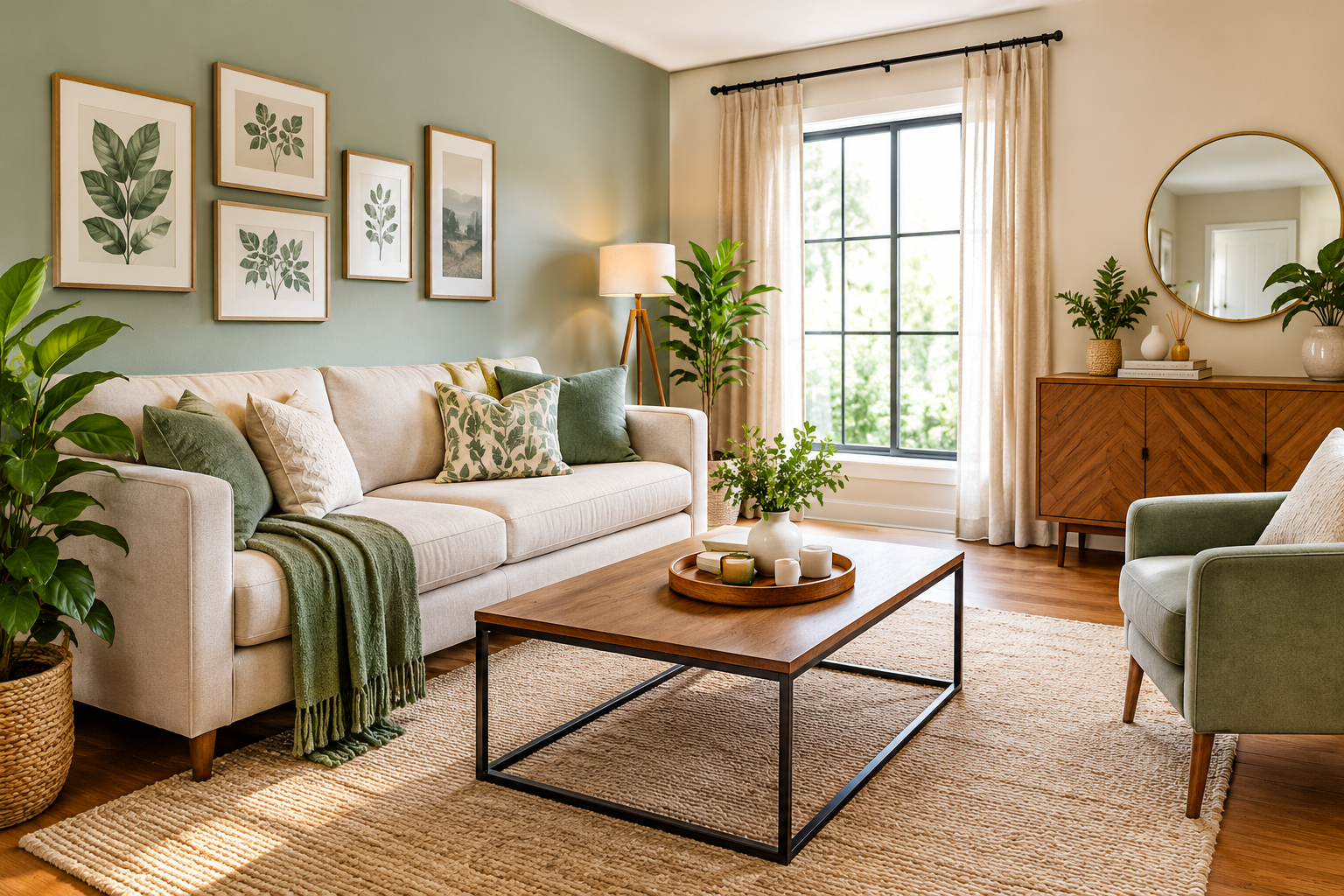
Follow the 60-30-10 rule. Use a dominant color for about 60 percent of the room, usually walls and large furniture. Add a secondary color for 30 percent, such as curtains or an accent chair. Use a bold accent for the remaining 10 percent, in items like cushions, art, or vases.
Consider the light. North-facing rooms receive cooler, dimmer light, so warm tones help them feel inviting. South-facing rooms get plenty of warm light and can handle cooler shades. Always test paint samples on the wall and view them at different times of day.
Think about mood. Soft blues and greens suit bedrooms and bathrooms, where calm matters. Warm neutrals and earthy tones make living areas welcoming. Yellows and bright accents bring energy to kitchens and creative spaces.
Do not fear white. Not all whites are the same. Some lean warm and creamy, while others lean cool and crisp. Pick the undertone that suits your light and furnishings.
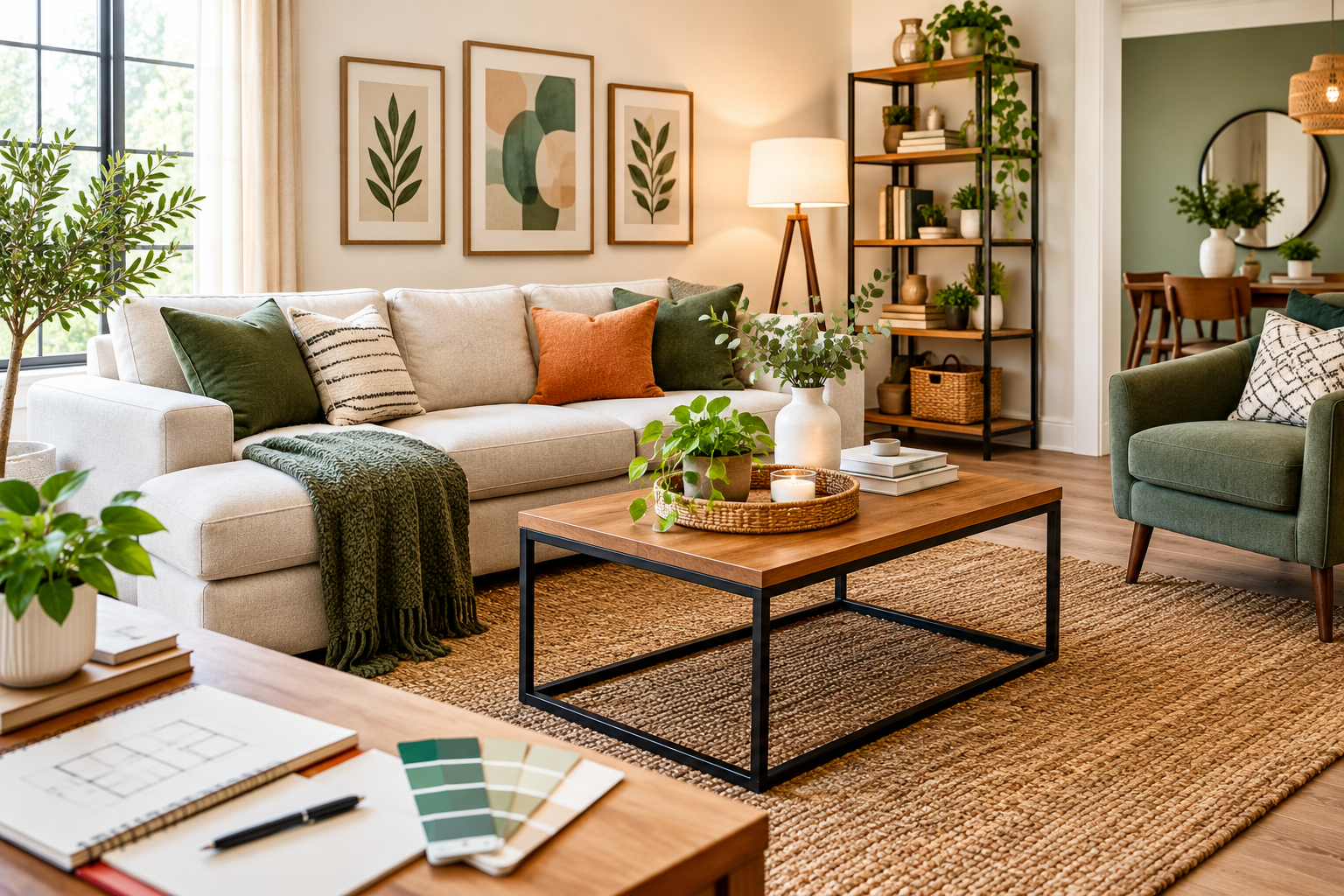
A useful piece of house decoration advice mintpaldecor readers can try is to start with one inspiring object, such as a rug, painting, or fabric, and pull your palette from it. The colors in that piece will already work together.
Master the Art of Lighting
Lighting can transform a room, yet it is often an afterthought. Good lighting is layered, combining three types.
Ambient lighting provides overall illumination. Ceiling fixtures, recessed lights, and large floor lamps all serve this role.
Task lighting supports specific activities. Think of desk lamps, reading lights beside the bed, and under-cabinet lights in the kitchen.
Accent lighting adds drama and highlights features. Use small spotlights on artwork, uplights behind plants, or LED strips along shelves.
Aim to have at least three light sources in every room, placed at different heights. Choose warm white bulbs for living spaces and bedrooms, since they create a cozy atmosphere, and slightly cooler bulbs for workspaces and kitchens. Dimmer switches are a low-cost upgrade that lets you adjust the mood from bright and practical to soft and relaxed.
Do not forget natural light. Keep windows clear, hang curtains high and wide so they do not block the glass, and use mirrors opposite windows to bounce daylight deeper into the room.
Get the Furniture Layout Right
Even beautiful furniture looks wrong if it is poorly arranged. A few rules help.
Create a focal point. Every room needs one. It might be a fireplace, a large window, a statement artwork, or a television. Arrange seating to face or complement it.
Keep traffic paths clear. Leave at least 75 to 90 centimeters for walkways. People should be able to move through a room without squeezing past furniture.
Do not push everything against the walls. Pulling a sofa a little way from the wall and grouping seating together creates a more intimate, conversational space, even in a small room.
Choose the right scale. In small rooms, pick slim-legged furniture that lets you see the floor beneath, which makes the space feel larger. In big rooms, use larger pieces or divide the space into zones with rugs and furniture groupings.
Prioritize multifunctional pieces. Storage ottomans, extendable dining tables, and sofa beds make small homes work harder without adding clutter.
Layer Textiles for Warmth and Texture
Textiles add comfort, softness, and visual depth. A room with only hard surfaces can feel cold and echoey, while layered fabrics make it feel lived in.
Rugs anchor furniture groupings and define zones. In a living room, place at least the front legs of your seating on the rug. Choose a size large enough to connect the furniture rather than floating in the middle.
Curtains frame windows and soften a room. Hang them close to the ceiling for the illusion of height, and choose fabrics that suit the room, such as light linen for airy spaces or heavier velvet for bedrooms where you want blackout and warmth.
Cushions and throws are the easiest way to refresh a space. Mix sizes, textures, and patterns, but keep them within your color palette. Odd numbers, such as three or five cushions, often look more natural than even pairs.
Bedding deserves attention too. Layer a quality duvet, a textured blanket, and a few pillows to make the bed the centerpiece of the bedroom.
Bring in Nature
Plants are one of the simplest ways to make a home feel fresh. They add color, soften hard lines, and can even improve the atmosphere of a room.
Beginners can start with hardy options like snake plants, pothos, or rubber plants, which tolerate irregular watering and lower light. Group plants of different heights together for a lush look, and use attractive pots that match your style. If you cannot keep living plants, high-quality artificial ones or dried botanical arrangements can offer a similar effect.
Natural materials like wood, stone, rattan, and cotton also bring an organic feel. Mixing them with metal or glass accents creates a balanced, layered look.
Style Walls and Surfaces Thoughtfully
Bare walls can leave a room feeling unfinished, but overcrowded walls feel chaotic.
Hang art at eye level. The center of a piece should sit about 145 centimeters from the floor. When hanging above a sofa or console, leave roughly 15 to 20 centimeters between the furniture and the frame.
Create gallery walls with a plan. Lay frames on the floor first, experiment with the arrangement, then trace paper templates on the wall before hammering any nails.
Use mirrors strategically. They add light and depth, and a large mirror can make a small room feel double the size.
Style shelves and surfaces with restraint. Group items in threes, vary heights, and leave empty space so each object can be appreciated. Mix books, ceramics, frames, and plants for a collected look.
Declutter and Organize
Even the most beautiful design fails under clutter. Decorating and organizing go hand in hand.
Give every item a home, and use baskets, trays, and closed storage to hide everyday mess. Edit your belongings regularly, keeping what is useful or meaningful and letting go of the rest. A simple habit is to remove one item for every new decorative piece you bring in.
Entryways and kitchen counters tend to collect clutter fastest, so set up hooks, a small shelf, or a catch-all tray near the door, and keep counters clear except for items you use daily.
Decorate on a Budget
You can achieve a stylish home without spending heavily.
- Paint is the most affordable way to transform a room.
- Rearrange what you already own. A new layout can feel like a new room.
- Shop secondhand for solid wood furniture, frames, and lamps, and refresh them with paint or new hardware.
- Swap small details like cabinet handles, lampshades, and cushion covers.
- Make your own art with framed fabric, pressed flowers, or prints you love.
Following reliable house decoration advice mintpaldecor style means prioritizing quality over quantity: a few well-chosen pieces beat a room full of cheap filler.
Personalize Your Space
A home should reflect the people who live in it. Display travel souvenirs, family photos, books, and handmade objects that tell your story. Personal touches make a room feel warm and unique rather than copied from a catalog.
Trust your instincts. If you love something, find a way to make it work. Trends fade, but a home filled with things you genuinely enjoy will always feel right.
Room-by-Room Quick Tips
Living room: Build around a comfortable sofa, layer lighting, and add a rug and a few plants.
Bedroom: Choose calming colors, invest in good bedding, and use soft, warm lighting.
Kitchen: Keep counters clear, add under-cabinet lighting, and bring in a touch of greenery or a herb pot.
Bathroom: Use matching towels, a small plant, and tidy storage for a spa-like feel.
Entryway: Add a mirror, a bench or console, and hooks to make arrivals smooth and welcoming.
Home office: Position the desk near natural light, keep cables organized, and add one inspiring piece of art.
Final Thoughts
Great interior decoration is built on simple foundations: a clear plan, a cohesive style, thoughtful color, layered lighting, well-arranged furniture, and personal touches. You do not need to do everything at once. Start with one room, apply a few of these ideas, and build from there. Over time, your home will develop a character that feels comfortable and entirely your own. Keep this house decoration advice mintpaldecor guide handy as a reference, and enjoy the process of turning your house into a home.
READ ALSO: https://endeavourarticle.com






Leave a Reply