
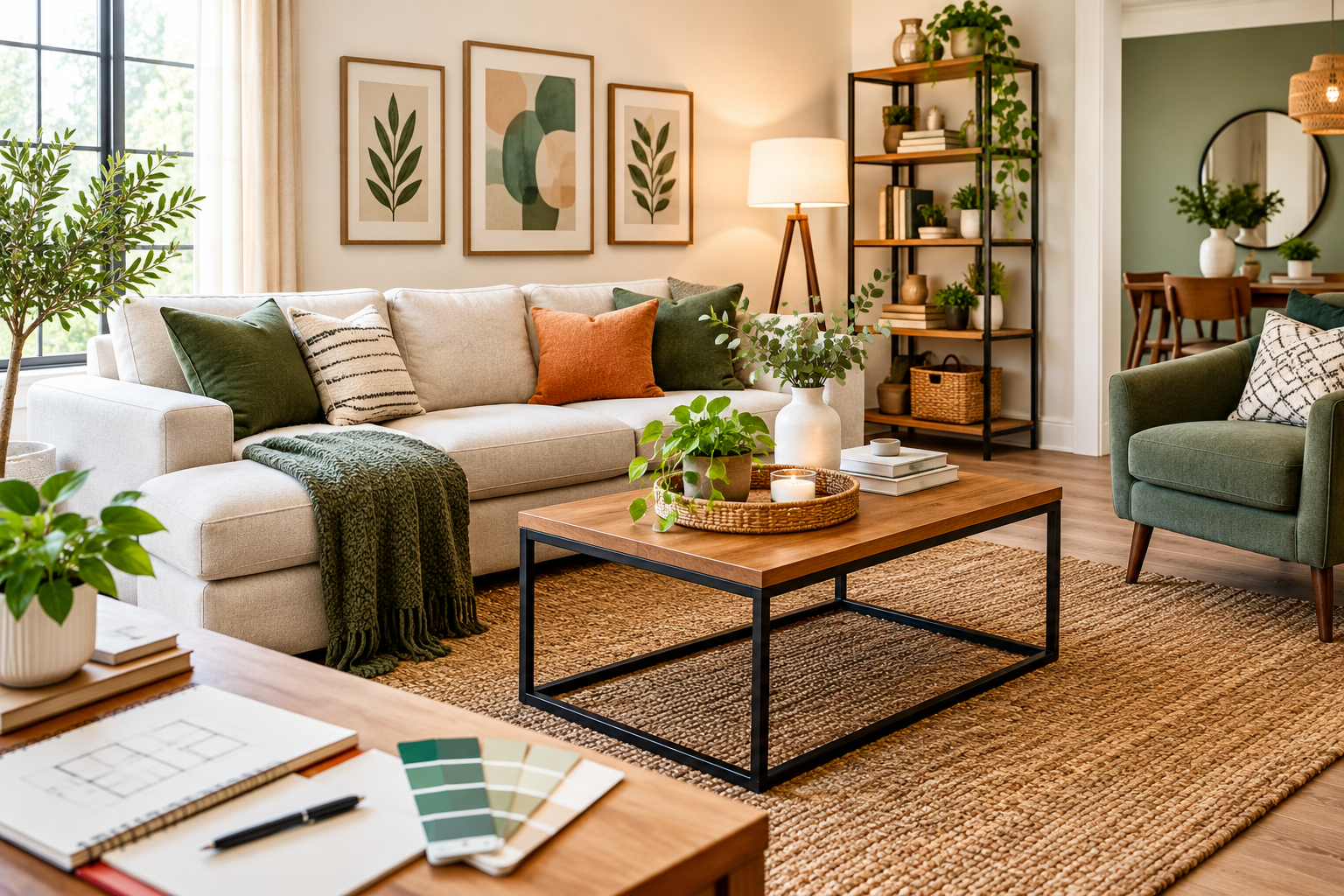
Decorating a home is one of the most rewarding projects you can take on, and one of the easiest to get wrong. Many people buy furniture before they have a plan, pick paint colors from a tiny swatch, or copy a showroom look that doesn’t suit how they live. This guide is built around house decoration advice mintpaldecor readers can use in any home, whether it’s a small apartment or a large family house. It covers planning, color, furniture, lighting, textiles, budgeting, and the finishing touches that make a space feel complete.
Start With How You Live, Not How It Looks
Before choosing a single item, ask how each room is actually used. A living room might host movie nights, homework, and weekend guests. A bedroom might also be a work corner. Decoration works best when it supports real habits.
Walk through your home and write down three things for each room: what you do there, what annoys you about it, and what you would keep exactly as it is. This simple audit prevents expensive mistakes. If your entryway is always cluttered, a stylish console table won’t help unless it includes storage. If your living room is dark in the evenings, new cushions won’t fix it, but better lighting will.
Then define a style direction in two or three words, such as “warm and calm,” “bright and modern,” or “cozy and layered.” Keep these words handy. When you’re unsure about a purchase, ask whether it fits the words. This is the foundation of any solid house decoration advice mintpaldecor fans might share with friends: decide the feeling first, then choose the objects.
Build a Color Palette That Works
Color shapes mood more than almost any other element. The most reliable approach is the 60-30-10 rule:
- 60% dominant color, usually walls, large rugs, or a sofa
- 30% secondary color, such as curtains, accent chairs, or bedding
- 10% accent color, used in cushions, art, vases, or small decor
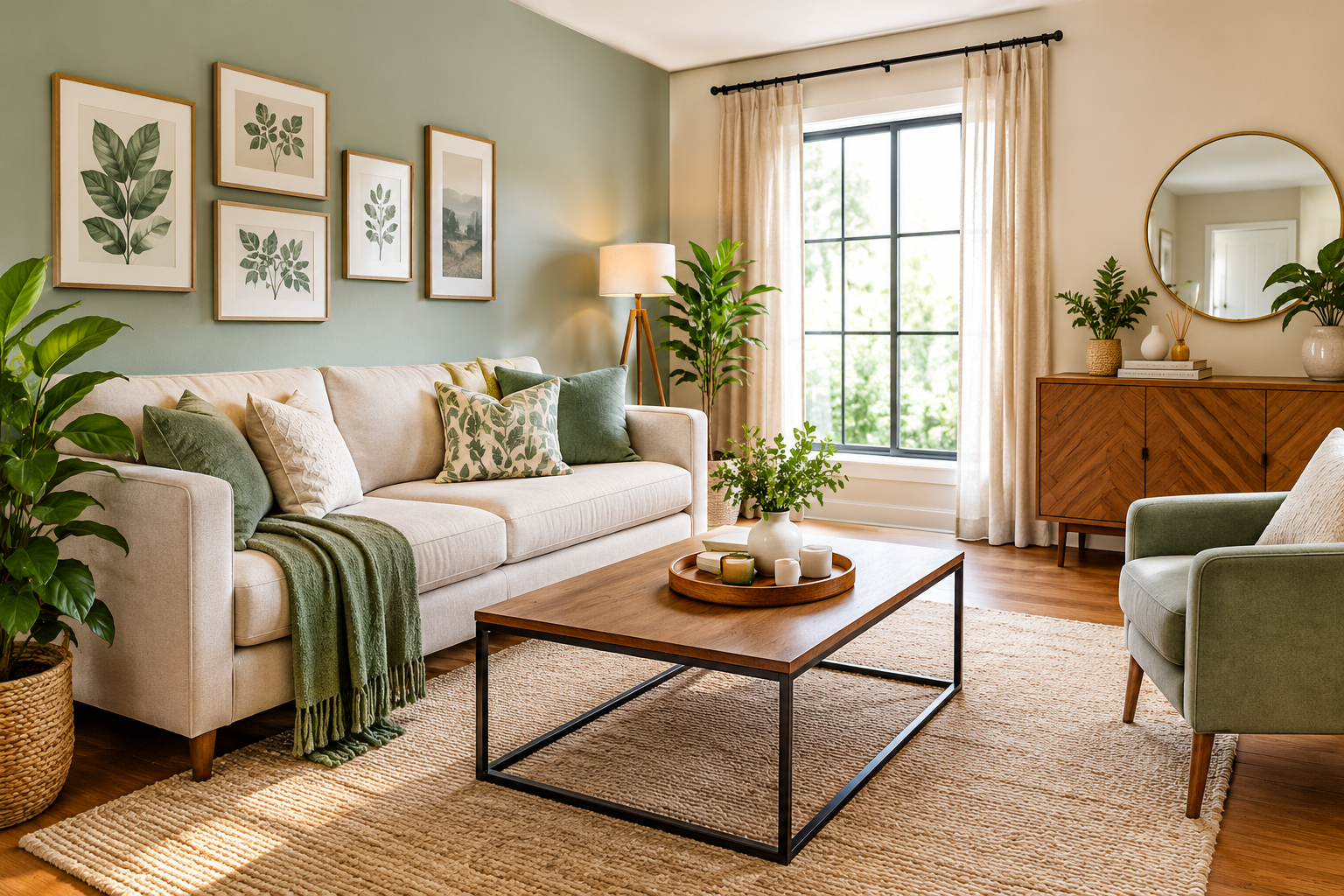
Choose your base wisely. Neutral bases like warm white, soft beige, light gray, or pale sage are flexible and make rooms feel larger. They also let you change accents seasonally without repainting.
Test before you commit. Paint a large sample on two different walls and look at it in morning, afternoon, and evening light. A color that looks fresh at noon can turn gloomy at night.
Respect the room’s light. North-facing rooms get cooler, bluish light, so warm tones balance them. South-facing rooms get warmer light and can handle cooler shades like soft blue or green.
Use dark colors deliberately. Deep navy, forest green, or charcoal can make a small room feel intimate and rich, but they need good lighting and enough contrast from lighter furniture.
If you love bold color but fear overdoing it, begin with an accent wall, a painted door, or a colorful piece of furniture. You can always expand later.
Choose Furniture for Scale and Function
Furniture is the biggest investment in most decoration projects, so measure before you buy. Sketch the room on paper, mark doors, windows, and outlets, and map where each piece will go. Leave about 80 to 90 centimeters (roughly 3 feet) for main walkways.
Match the scale to the room. An oversized sectional can swallow a small living room, while tiny furniture can look lost in a large one. In compact spaces, choose pieces with raised legs, which let the eye see more floor and make the room feel airy.
Prioritize multifunctional pieces. Ottomans with hidden storage, nesting tables, extendable dining tables, and sofa beds all earn their place in smaller homes.
Invest where it counts. Spend more on items you use daily and that take wear, like sofas, mattresses, and dining chairs. Save on decorative items that you may want to swap, such as side tables, lamps, and frames.
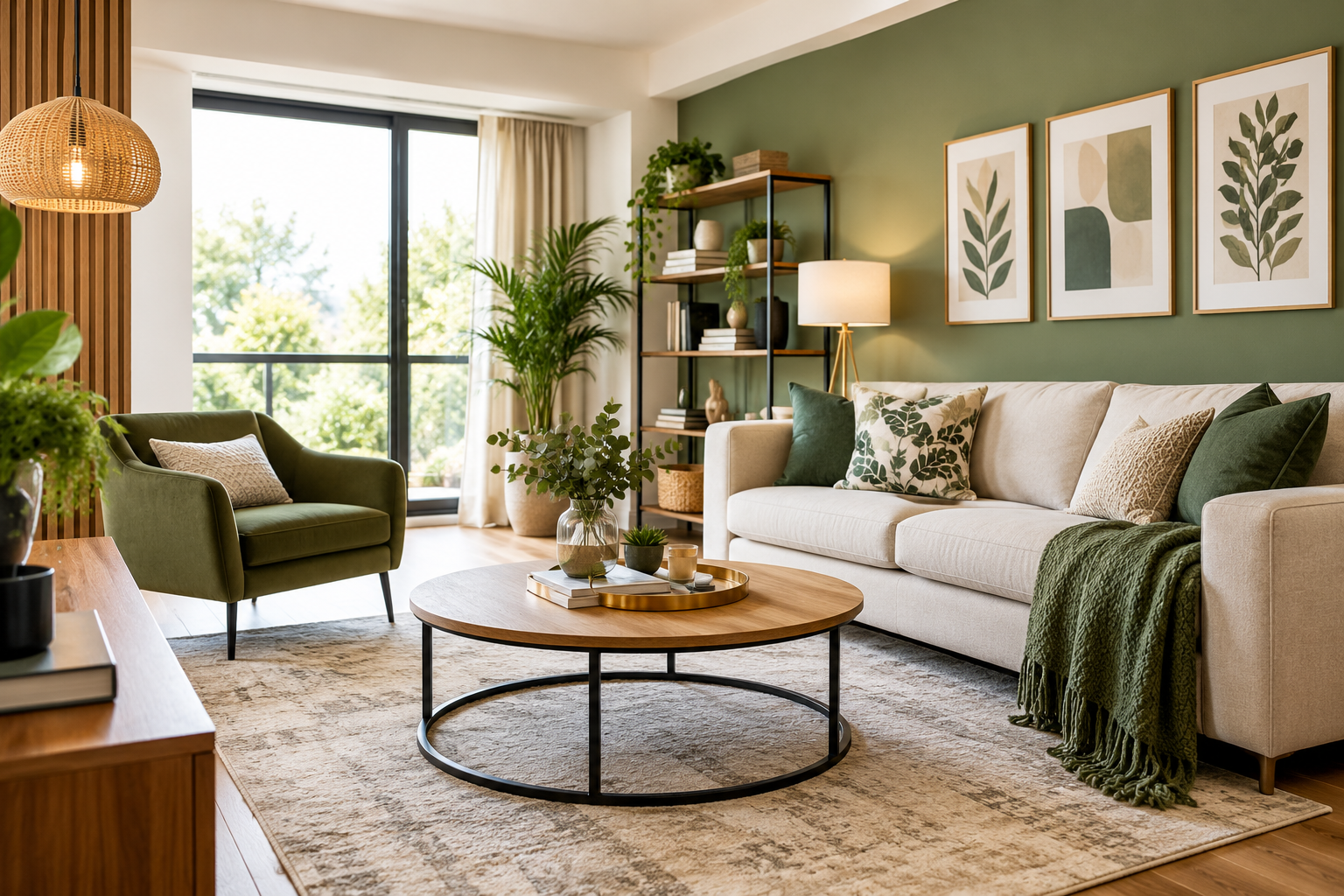
Mix shapes and materials. A room full of straight lines feels stiff. Pair a rectangular sofa with a round coffee table, or combine wood, metal, glass, and fabric. This variety adds depth without needing more color.
Get Lighting Right
Lighting is the most underrated part of home decoration. A beautiful room with poor lighting feels flat, while a simple room with good lighting feels inviting.
Think in three layers:
- Ambient lighting provides general illumination, such as ceiling fixtures or recessed lights.
- Task lighting supports activities, like desk lamps, reading lights, and under-cabinet kitchen lights.
- Accent lighting adds mood and highlights features, such as wall washers, picture lights, candles, and string lights.
Use warm bulbs (around 2700K to 3000K) in living areas and bedrooms for a cozy glow, and slightly cooler bulbs (3500K to 4000K) in kitchens, bathrooms, and workspaces. Dimmers are a cheap upgrade that lets one room serve several moods.
Don’t forget natural light. Keep window treatments light and easy to open, and place mirrors opposite windows to bounce daylight deeper into the room.
Layer Textiles for Comfort
Textiles are what make a room feel lived in. Rugs, curtains, throws, and cushions add softness, absorb sound, and bring in color and pattern.
Rugs should be large enough that at least the front legs of your sofa and chairs sit on them. A rug that is too small makes the whole seating area look disconnected. In bedrooms, place a rug so it extends beyond both sides of the bed.
Curtains look best when hung close to the ceiling and extended slightly past the window frame. This makes windows and ceilings appear taller. Choose lined fabric for bedrooms and sheer layers for living areas where you want diffused daylight.
Cushions and throws are the easiest way to refresh a room. Use odd numbers, vary sizes, and combine one pattern with two or three solids. If you’re nervous about pattern, keep it in the same color family as your palette.
Seasonal swaps keep things interesting. Lighter linens and cottons suit spring and summer, while wool, velvet, and chunky knits bring warmth in autumn and winter. With the colder months approaching, this is a good time to rotate in heavier textures.
Plan Your Budget Like a Pro
A beautiful home doesn’t require unlimited money, only a plan. Set a total budget, then divide it by room and priority. A useful split is roughly 50 percent for major furniture, 20 percent for lighting, 15 percent for textiles, 10 percent for decor, and 5 percent held back for surprises.
Here are practical ways to stretch your spending:
- Decorate one room at a time so you finish spaces instead of leaving several half done.
- Shop secondhand for solid wood furniture, mirrors, and frames, which are often better built than budget flat-pack items.
- Paint and refresh before replacing. A new wall color, updated handles, or a re-covered chair can transform a room cheaply.
- Wait for sales on larger items, and compare prices across several shops.
- Add gradually. Living with a room for a few weeks shows you what it truly needs.
The most useful house decoration advice mintpaldecor style guides can offer on money is this: buy slowly, buy what you love, and avoid filling space just because it’s empty.
Add Personality With Decor and Art
Once the foundation is set, personal touches turn a nicely arranged house into your home.
Walls and art. Hang art at eye level, with the center around 145 centimeters (57 inches) from the floor. For gallery walls, lay everything out on the floor first, keep consistent spacing, and unify the display with a repeating frame color or theme.
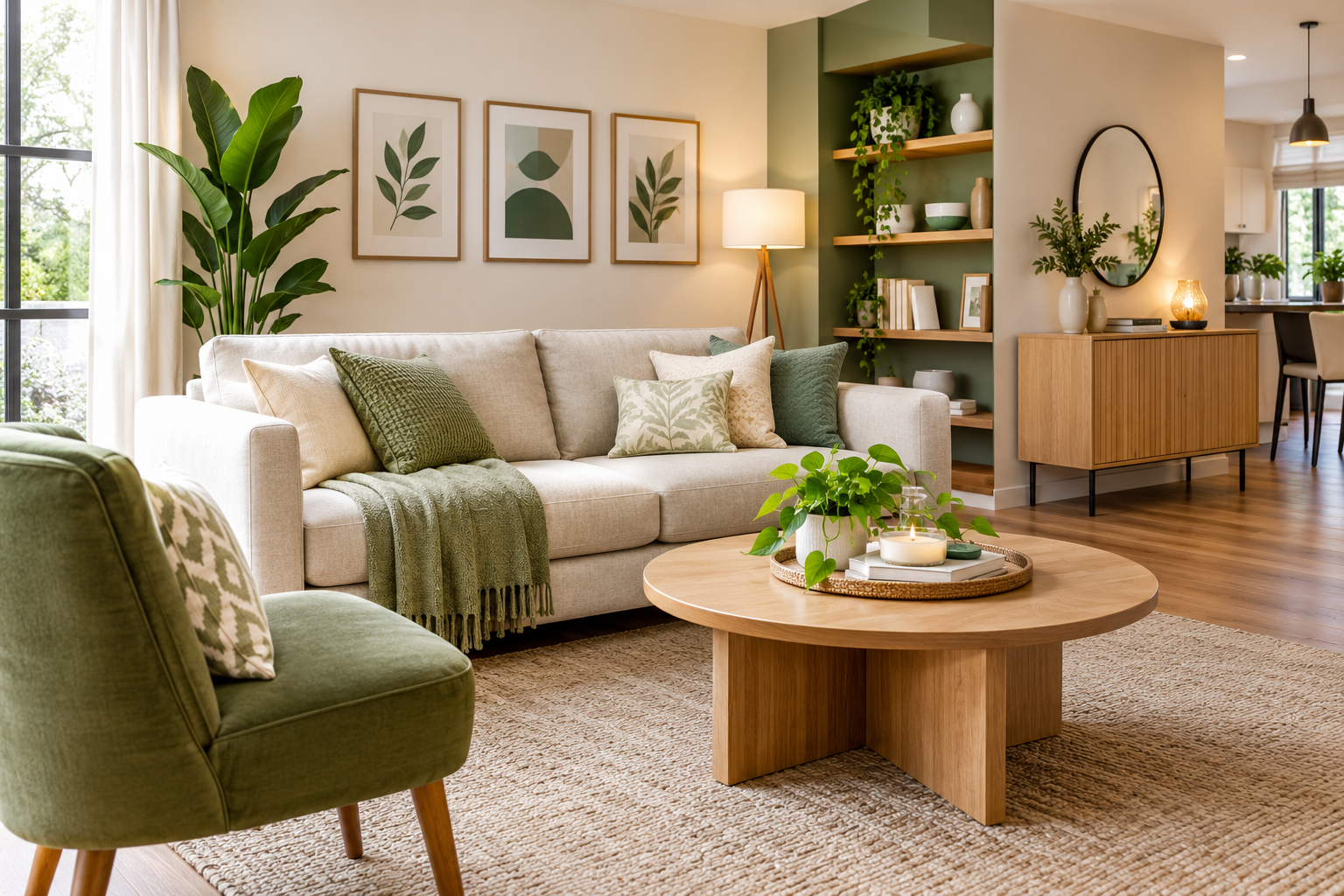
Plants. Greenery adds life and softens hard lines. Low-maintenance choices such as snake plants, pothos, and ZZ plants thrive in most homes. Group plants at different heights for a fuller look.
Styling surfaces. On shelves and tables, use the rule of threes: group items of varying height, texture, and shape. Leave breathing room, because empty space is part of good design.
Personal items. Travel souvenirs, family photos, books, and handmade pieces tell your story. Display a few meaningful items well rather than scattering many.
Scent and sound. A subtle candle, diffuser, or soft background music completes the atmosphere in ways visuals cannot.
Room-by-Room Quick Tips
Living room: Arrange seating to face each other for conversation, not just the television. Add a coffee table and at least two light sources.
Bedroom: Keep the palette calming, choose blackout or lined curtains, and limit clutter on bedside tables. Layer bedding with a duvet, throw, and a few pillows.
Kitchen: Declutter counters, add open shelves for a few attractive items, and consider new cabinet hardware or a fresh backsplash for a low-cost upgrade.
Bathroom: Use matching accessories, fluffy towels in a cohesive color, and a plant or two. Good storage keeps the space looking clean.
Entryway: Include a place to sit, hooks or a rack, a mirror, and a tray for keys. First impressions matter, and so does daily convenience.
Home office: Position your desk near natural light, invest in a supportive chair, and keep cables tidy. Add a plant or artwork to keep the space pleasant.
Common Decoration Mistakes to Avoid
- Buying everything at once in a matching set, which can feel flat and impersonal
- Ignoring scale, resulting in cramped or empty-looking rooms
- Pushing all furniture against the walls, which actually makes rooms feel less cozy
- Hanging art too high, which disconnects it from the furniture
- Relying on one overhead light, which creates harsh shadows
- Following every trend, leaving you with a space that dates quickly
- Skipping the plan, which leads to impulse purchases that don’t work together
Final Thoughts
Great decoration isn’t about perfection or expensive pieces. It’s about thoughtful choices that make your home comfortable, functional, and personal. Start by understanding how you live, set a clear style direction, build a simple color palette, and layer in furniture, lighting, and textiles with care. Add personal touches last, and let the space evolve over time.
If you take one lesson from this house decoration advice mintpaldecor guide, let it be this: a home is never truly finished, and that’s the joy of it. Make one improvement at a time, enjoy the process, and let each room grow into a reflection of the people who live there.
READ ALSO: https://endeavourarticle.com






Leave a Reply