
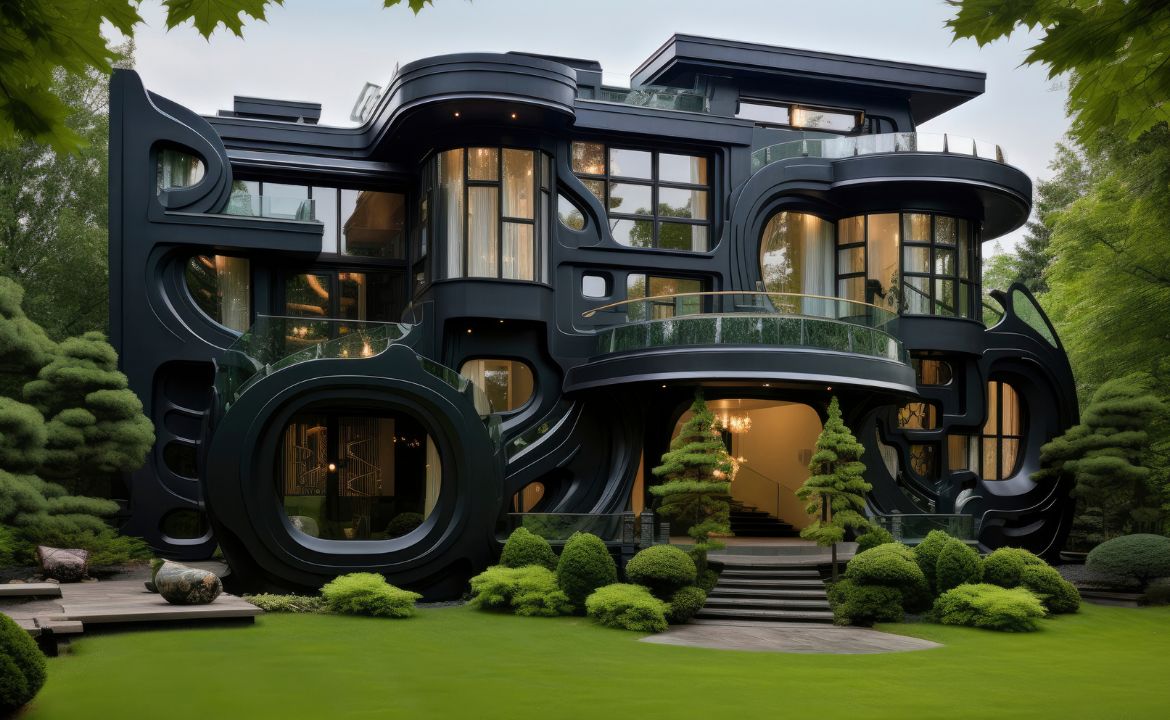
A home’s exterior is the first conversation it has with the world. Long before anyone steps inside, the roofline, the color of the siding, the texture of the entryway, and the state of the landscaping have already made an impression. DrHomey exterior design is a modern approach built around that reality — treating the outside of a home with the same intention, planning, and creativity typically reserved for interiors.
Rather than chasing seasonal trends, this approach focuses on choices that hold up over time: clean architectural lines, durable materials, and outdoor spaces designed around how people actually use them. This guide walks through the core ideas behind DrHomey exterior design and how to apply them to almost any home.
A Whole-Picture Approach
Many exterior updates happen piecemeal — new paint one year, new landscaping the next — without a shared vision tying them together. DrHomey exterior design starts from the opposite direction: architecture, color, materials, lighting, and landscaping are planned as one connected system, so each choice reinforces the others instead of competing for attention.
This doesn’t require a full renovation budget. It simply means making even small decisions — a door color, a light fixture, a hedge line — with the whole exterior in mind.
Core Elements of a Modern Exterior
Simple, Confident Architecture
Modern exteriors favor clarity: clean rooflines, larger windows, and uncomplicated forms. Detail isn’t eliminated, just concentrated — a single standout feature, like an oversized entry door or a vertical wood accent, often carries more visual weight than scattered ornamentation.
A Restrained Color Palette
Color is one of the fastest ways to modernize a home. A reliable approach uses:
- A neutral base (soft white, warm gray, or greige) for most of the exterior
- A contrasting dark accent (charcoal or black) for trim, windows, or the front door
- A natural material tone (wood or stone) for warmth and texture
Sticking to two or three colors, applied consistently, brings this sensibility to an existing home without touching its structure.
Materials Built to Last
Fiber cement siding, natural stone, brick, and treated wood remain popular because they combine a contemporary look with real weather resistance. Pairing two complementary materials — smooth siding with a stone accent wall, for example — adds texture without visual clutter.
Structured Landscaping
Modern landscaping favors defined shapes over loose growth: trimmed hedges, ornamental grasses, and a small, repeated plant palette. Hardscaping — walkways, low walls, defined beds — gives the yard permanent structure that holds up even when plants are dormant.
Outdoor Living Spaces
Covered patios, outdoor kitchens, and fire features extend a home’s living area outward. In DrHomey exterior design, these spaces echo the same materials and lighting used elsewhere on the property, so indoors and outdoors feel like one continuous space.
Layered Lighting
Uplighting on architectural features, low path lights, and warm fixtures near entryways add depth after dark and improve safety. Good exterior lighting feels built into the design rather than added on top of it.
Where to Start
- Repaint the front door in a bold, deliberate color.
- Simplify the exterior palette to two or three consistent tones.
- Update house numbers, mailbox, and light fixtures to match.
- Replace a single harsh floodlight with a layered lighting plan.
- Edit back overgrown landscaping to reveal the home’s actual lines.
Why It’s Worth Doing
Beyond curb appeal, durable materials reduce long-term maintenance, efficient windows and siding improve energy performance, and a cohesive exterior is consistently one of the strongest factors in a buyer’s first impression at resale.
Bringing It Together
Architecture, color, materials, landscaping, and lighting aren’t separate projects — they’re parts of one connected design. That’s the essence of DrHomey exterior design: a practical, modern approach to the outside of a home that values both immediate curb appeal and long-term durability. Whether through a full renovation or a handful of targeted updates, applying these principles turns an ordinary exterior into something that feels genuinely designed.











Leave a Reply