
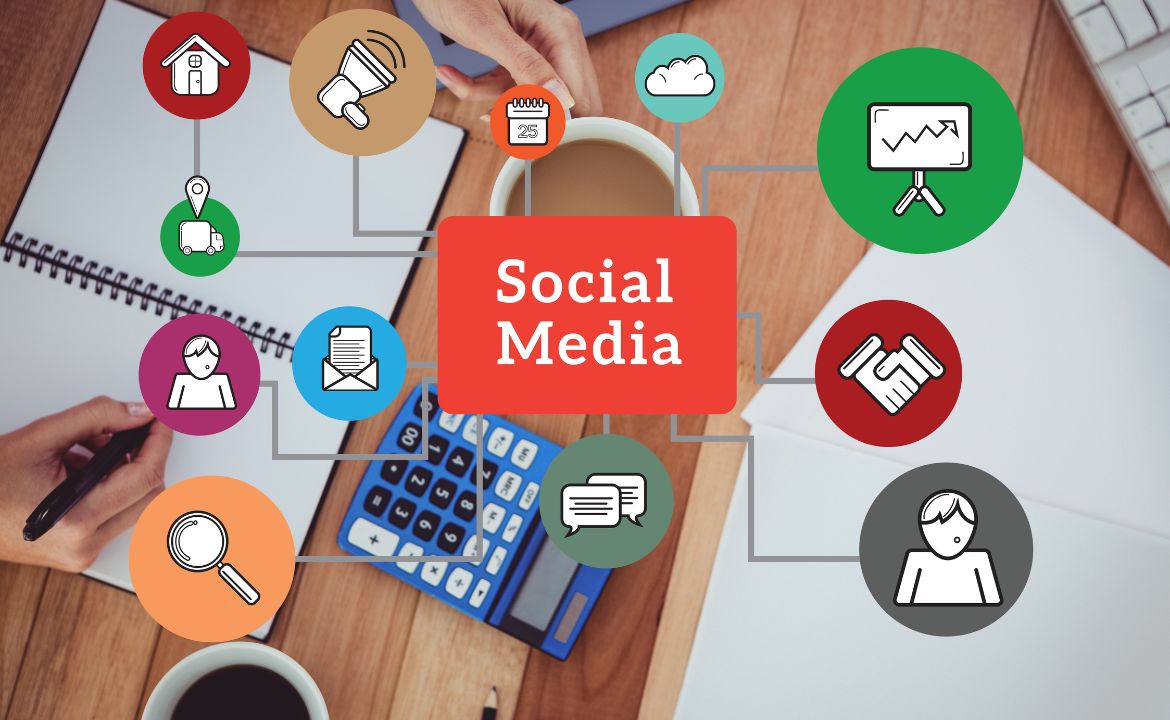
Social media has changed the way people communicate, discover information, promote businesses, and build personal brands. Today, individuals and organizations often use several social platforms at the same time. A creator may have profiles on Instagram, YouTube, TikTok, Facebook, and LinkedIn, while a business may combine social profiles with its website, online store, booking system, and customer-support channels.
Managing all these destinations can sometimes become confusing for an audience. Visitors may discover a profile on one platform but have no easy way to find the creator’s other channels. This is where centralized social media link pages and content hubs can be useful.
The concept behind social media stuff embedtree focuses on bringing different social media resources and online destinations together in one convenient place. Instead of asking users to search for individual profiles, a centralized page can provide direct access to important links, content, and digital resources.
What Is Social Media Stuff Embedtree?
Social media stuff embedtree can be understood as an approach to organizing social media content, profiles, and useful online links through a centralized digital page. The purpose is to make it easier for visitors to discover everything associated with a person, creator, brand, or organization.
For example, a content creator might maintain several social accounts along with a personal website, online shop, newsletter, and portfolio. Rather than sharing each link separately, these resources can be collected into one destination.
The central page can act as a digital directory. Visitors open one link and can then choose the resource they are interested in.
Depending on the platform or system being used, a social media hub may contain buttons, social icons, embedded content, images, videos, promotional links, contact information, and calls to action.
Why Centralized Social Media Content Is Important
The number of social platforms available today means audiences frequently move between different online services. People may discover a brand on TikTok, visit its Instagram account, watch videos on YouTube, and eventually purchase something through its website.
If these destinations are difficult to find, potential visitors may leave before taking the next step.
A centralized social media page reduces this friction. Instead of searching manually, visitors can use one primary link to access multiple destinations.
This is particularly valuable for people who use social media as part of their business or marketing strategy. A single organized page can make an online presence easier to understand and navigate.
How an Embedtree-Style Page Works
The concept is relatively simple. A user creates a central page and adds links or content that are important to their audience.
A typical creator page might include:
- Instagram profile
- YouTube channel
- TikTok profile
- Facebook page
- Personal website
- Latest blog post
- Online store
- Newsletter signup
- Contact information
The user can organize these destinations according to importance. For instance, a new product could be placed near the top of the page while less important resources appear further down.
The result is a single destination that connects several parts of an online presence.
Key Benefits of Social Media Stuff Embedtree
A well-organized social media hub can provide several practical advantages.
1. Convenient Access
The biggest benefit is convenience. Visitors do not need to search for every profile individually. They can access several resources from one location.
This can be especially useful when usernames differ across platforms.
2. Better Audience Experience
An organized page gives visitors clear choices. If someone wants to watch videos, they can select the video platform. If they want to purchase a product, they can follow the store link.
Simple navigation can make the overall digital experience more efficient.
3. Stronger Brand Presentation
Businesses and creators can use centralized pages to create a consistent online identity.
A page can include branding elements such as:
- Logo
- Profile photograph
- Brand description
- Custom colors
- Promotional messages
- Social icons
- Calls to action
Consistent presentation can help visitors recognize the brand across different channels.
4. Easier Promotion
When priorities change, the central page can be updated. A creator launching a new video can place that video prominently. A company introducing a new service can move its service page to the top.
This makes it easier to promote current campaigns without constantly changing every social profile.
5. Better Traffic Direction
A centralized page can help direct social media visitors toward websites, product pages, blogs, portfolios, booking forms, and other destinations.
While a link hub does not guarantee higher traffic or conversions, it can make existing social traffic easier to guide.
Benefits for Content Creators
Content creators are among the users who can benefit most from centralized social media organization.
Creators often distribute content across multiple platforms. One platform may be used for short videos, another for long-form content, and another for community discussions.
A central page allows creators to connect these channels.
For example, a creator could use social media to attract new followers and then direct those followers toward a newsletter, online course, merchandise store, or personal website.
This can also reduce the need to repeatedly explain where additional content can be found.
Benefits for Small Businesses
Small businesses can also use centralized social media pages to simplify customer navigation.
Consider a local service provider. Customers may need access to a website, service menu, booking page, social profiles, location information, and contact details.
Instead of publishing these destinations separately, the business can organize them in one location.
A restaurant might include:
- Menu
- Ordering page
- Reservation information
- Location
- Contact details
A consultant might highlight:
- Services
- Portfolio
- Testimonials
- Appointment booking
- Contact information
The ideal structure depends on the business and its customers.
How to Build an Effective Social Media Hub
Creating a central page is easy, but making it effective requires thoughtful organization.
Prioritize Your Most Important Links
Do not place every possible link on the page simply because you can. Too many choices can make navigation difficult.
Identify the destinations that matter most to your audience and place them prominently.
Write Descriptive Button Labels
Use labels that tell visitors exactly what they will find.
For example:
Watch My Latest Video
is more useful than:
Click Here
Similarly, Visit My Online Store is clearer than simply writing Store.
Keep the Page Updated
Outdated links can damage the credibility of a digital presence. Review your page regularly and remove links that are no longer relevant.
If you are running a temporary promotion, remember to remove it when the campaign ends.
Make It Mobile-Friendly
Most social media activity happens on mobile devices, so the central page should be easy to use on smartphones.
Buttons should be easy to tap, text should be readable, and visitors should not have to zoom in to understand the page.
Keep the Design Simple
A professional page does not need complicated graphics. Clear navigation, readable text, consistent branding, and an organized layout are usually more valuable than excessive visual effects.
Social Media Stuff Embedtree and SEO
Social media pages and link hubs can support a broader digital marketing strategy, but they should not be treated as a replacement for search engine optimization.
SEO involves many factors, including website quality, technical performance, content relevance, internal linking, authority, and user experience.
A centralized social page can still contribute indirectly by helping visitors discover important website resources.
When creating content around social media stuff embedtree, keyword usage should remain natural. Repeating the keyword too many times can make content sound artificial.
Instead, use the primary keyword where it makes sense and support it with related terms such as social media hub, social links, content organization, online profiles, digital presence, and social media marketing.
Common Mistakes to Avoid
Several mistakes can reduce the usefulness of a social media hub.
Too many links: A page containing dozens of destinations can overwhelm visitors.
Outdated information: Broken links and expired campaigns should be removed quickly.
Weak calls to action: Visitors should understand what action you want them to take.
Poor mobile design: A page that works well on a desktop but is difficult to use on a phone can lose visitors.
Inconsistent branding: Using completely different visual identities across your social hub and other platforms can make your online presence look disconnected.
Lack of priorities: Every link does not need equal attention. Highlight the destinations that support your current goals.
Measuring Performance
Analytics can help determine whether your centralized social page is actually useful.
Depending on the available tools, you may be able to monitor:
- Page visits
- Link clicks
- Most popular destinations
- Traffic sources
- Conversion activity
- Visitor engagement
Suppose your website receives many clicks while your older blog receives almost none. You might decide to give the website greater prominence and replace the less useful blog link with newer content.
Regularly reviewing performance allows you to improve the page over time.
Future of Social Media Organization
Social media will likely continue becoming more interconnected. Creators and businesses increasingly operate across multiple platforms, making organization more important.
The idea behind social media stuff embedtree fits into this larger trend. Instead of treating every social platform as an isolated destination, users can create a central digital pathway connecting their different online resources.
Future social media tools may provide more advanced integrations, analytics, automation, personalization, and multimedia capabilities. These developments could make centralized social pages more useful for marketing and audience management.
However, the fundamental principle will remain simple: make it easy for visitors to find what they need.
Best Practices for Long-Term Success
For long-term success, focus on the visitor rather than simply adding more features.
Start with your most important goals. Do you want people to follow your social profiles, visit your website, purchase products, book services, or consume your latest content?
Once the goal is clear, organize the page around it.
Keep the number of choices manageable, use clear labels, update links regularly, and maintain consistent branding. Test the page from a smartphone to make sure everything works correctly.
Most importantly, review the page periodically. Your priorities may change as your audience, business, and content strategy develop.
Conclusion
Social media has created enormous opportunities for creators, brands, and businesses, but maintaining multiple online destinations can create navigation challenges. A centralized social media page provides a practical way to connect these resources and give audiences a clearer path through an online presence.
Social media stuff embedtree represents this broader concept of organizing social profiles, websites, content, and other digital resources in one accessible location.
Whether you are a content creator promoting several channels, a small business connecting customers with essential resources, or a marketer trying to improve digital navigation, a well-designed social media hub can be a valuable addition to your strategy.
The most effective approach is to keep things simple. Highlight your most important links, use clear calls to action, maintain consistent branding, keep information updated, and make the experience mobile-friendly.
When these principles are followed, a central social media page can become more than just a collection of links. It can serve as a convenient gateway between your audience and the broader digital presence you have built.









Leave a Reply